Do you want to switch to the Keto diet? The much-hyped Keto diet plan is gaining popularity in India due to its faster and more precise health benefits. If you are a vegetarian and do not want to give up the traditional meal plans, the Indian Keto Diet Plan is all you need. If it aligns with your lifestyle and requirements, here’s all you need to know about the Indian Keto Diet Plan.
It is essential to know about the basics of the Ketogenic diet. The word ‘Keto’ is relevant to ‘Ketones’ formed in our bodies in the form of molecules that use stored energy and cut down fats when you do not intake any additional carbohydrates.
With this, your body gets into ‘Ketosis’, which uses the fats stored within the body. It results in an active fat-burning process and provides the energy levels required for overall functioning.
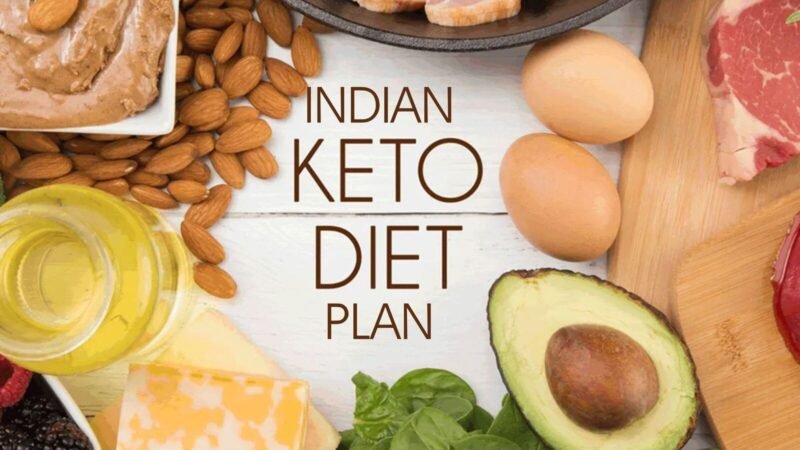
The keto diet relies on protein as the primary source of energy. You can include foods like full-cream dairy products like cheese, curd, paneer, and milk here. Eggs are also a great source of protein for people who are non-vegetarians.
Intake of healthy fats is also helpful for garnering the goodness of the Keto diet. It includes sunflower oil, Olive oil, rice bran, coconut, and safflower oil. You can also consume almond butter or peanut butter in small amounts.
Vegetables such as cabbage, Kale, carrots, Radish, spring onions, cucumber, Pumpkin, and Zucchini are good for a balanced Keto Diet. You can also include celery, tomatoes, capsicum, asparagus, okra, cauliflower, or broccoli as a part of your daily diet.
Include low-carb fruits in your Keto diet plan, such as Peaches, Apricots, Watermelon, avocados, lemons, and different types of citrus fruits. You can also add berries to your meals like raspberries, strawberries, and blueberries.
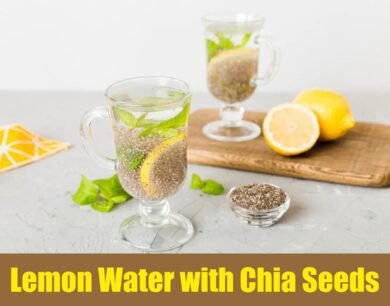
Including a distinct variety of seeds like the Pumpkin, Chia, or Flax seeds is important for Keto benefits. Another option is to opt for various nuts like peanuts, almonds, cashews, walnuts, and pistachios.
Moderate intake of all these foods in your low-carb Keto diet plan is important to follow a perfect Keto lifestyle.
Under the Keto regime, your body uses the stored carbs in the form of glucose to energize the body. This results in the reduction of 20-50 grams of carb reserves every day, leading to a considerable weight loss.
Carbohydrates: Less than 10% of the calories in your Keto Diet are derived from carbohydrates.
Healthy Fats: Around 70-80% of your calories consist of healthy fats.
Proteins: Almost 15-20% of the calories in your Keto Diet comprise proteins.
The Indian Keto Diet Plan focuses on reducing the intake of carbohydrates while including more healthy fats and proteins in your meals. Here’s a sample Keto Diet Plan for you to modify as per your requirements.
Sunday
Breakfast: Paneer Bhurji cooked in ghee with delicious Indian spices and coriander seasoning. One cup of paneer Bhurji is a good start for the day.
Lunch: Palak Paneer made of fresh Spinach curry loaded with full-fat paneer in it. 1 very thin whole- grain chapati.
Dinner: Prepare the Cabbage stir fry with a Tadka of curry leaves and mustard seeds in it. cook the preparation in a small amount of coconut oil.
Monday
Breakfast: Coconut Chia pudding prepared from chia seeds, coconut milk, and a few walnuts or almonds.
Lunch: Cauliflower Rice Pulao with peas, cashews, and cumin seeds prepared in ghee.
Dinner: Creamy mushroom soup prepared with coconut cream and a sprinkle of garam masala.
Tuesday
Breakfast: Greek Yoghurt with some nuts and berries, along with a handful of crushed almonds in it.
Lunch: Keto veggie curry prepared from low-carb vegetables like bell peppers, Zucchini, and cauliflower cooked in the coconut-milk gravy.
Dinner: Stir Fry Zucchini with some cumin, coriander, and green chillies sautéed with the Zucchini in it.
Wednesday
Breakfast: Chilla made of almond flour, chopped coriander, and spices.
Lunch: Tasty curry of potato and cauliflower with more proportion of Gobi and less aloo to restrict the carb intake.
Dinner: Have a platter of Keto Salad with tomatoes, avocados, and cucumber cooked in olive oil.
Thursday
Breakfast: Go for a healthy and refreshing Avocado salad with a mix of olive oil, cucumber, lemon juice, avocado, and a few herbs.
Lunch: Delicious Keto Khichdi prepared from lentils and cauliflower rice seasoned with ghee and mustard seeds.
Dinner: Palak soup is prepared with a small amount of butter, black pepper, and salt seasoning.
Friday
Breakfast: Chia seed pudding prepared with almond milk and chia seeds.
Lunch: Mixed veggies stir fry including a wide variety of veggies such as broccoli, mushrooms, and bell peppers sautéed in a small amount of coconut oil.
Dinner: Paneer Tikka platter in which paneer marinated with spices and yogurt is grilled after applying ghee on it.
Saturday
Breakfast: Egg Bhurji is a high-protein meal with a punch of green chillies, tomatoes, onion, and ghee in it.
Lunch: Cauliflower fried rice with a blend of veggies and grated cauliflower cooked with rice and soy sauce.
Dinner: Delicious Broccoli cheese soup prepared from cheese, butter, and chopped broccoli.
This Indian Keto diet plan avoids any type of carbs in the meals to keep you energised and fuller for the whole day.
Some people might experience Keto-Flu as a common side-effect while their body shifts to ketosis. It includes headache, irritability, and dizziness symptoms. Dietary transformation also causes diarrhoea or constipation problems sometimes.
Other side effects might include dehydration, electrolyte imbalance, and the loss of muscle mass. Keto Diet needs close monitoring by a dietitian to avoid nutrient deficiency.
If you are determined and committed towards your goal of burning fat and getting the desired body transformation with the Keto Diet plan, keeping the above things in mind is important. Try to make healthy meals more flavorful with a punch of Indian spice. Feel free to get in touch with us for tailored suggestion on keto diet plans for better outcomes.
Good Luck with your Keto Goals!